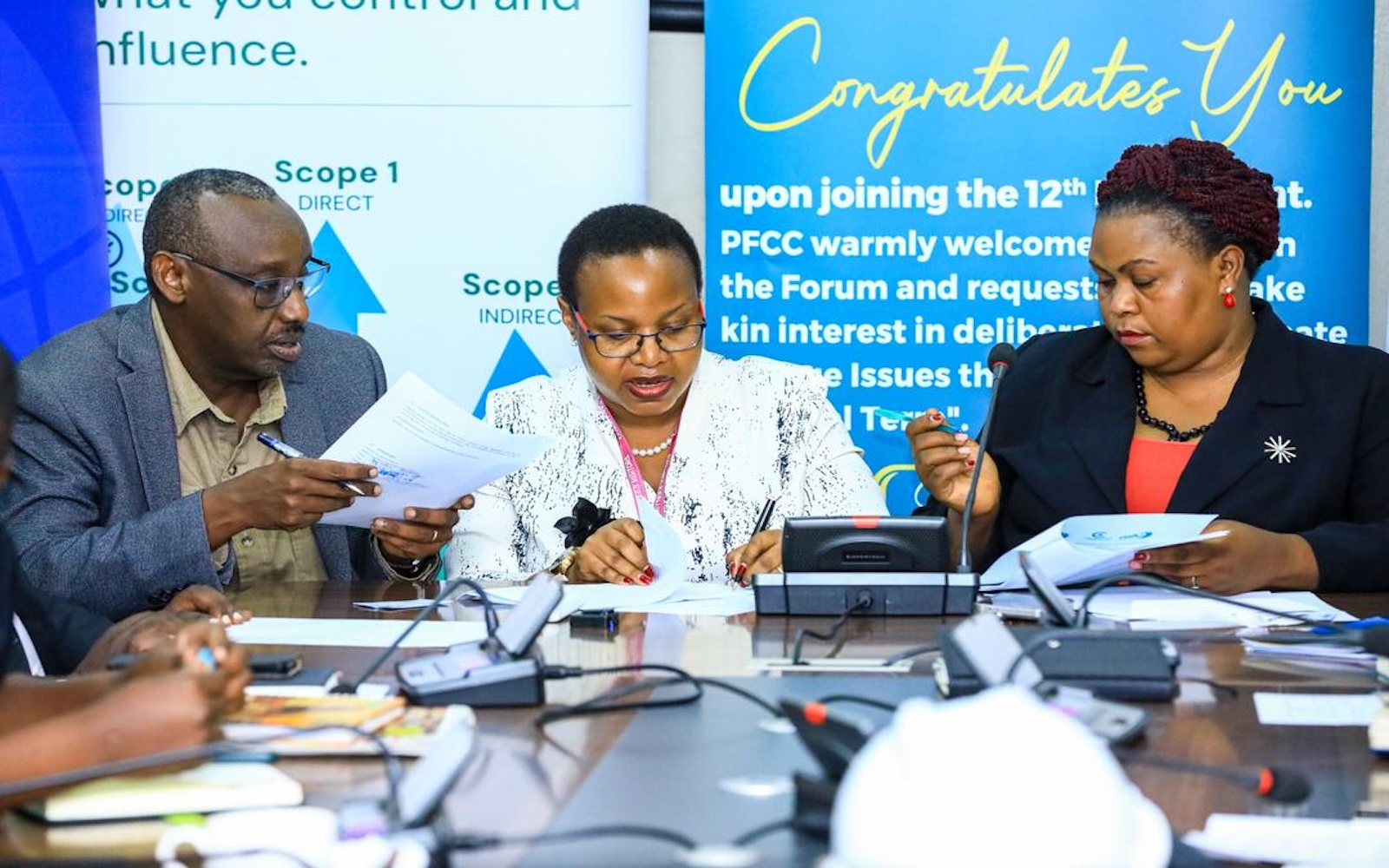
The Uganda Parliamentary Forum on Climate Change (UPFCC) has signed a Memorandum of Understanding (MoU) with the Private Sector Foundation Uganda (PSFU) and Climate Change Hub International aimed at strengthening climate governance, legislative capacity and stakeholder coordination.
The partnership, witnessed by key stakeholders including the Civil Society Budget Advocacy Group (CSBAG) and the Women in Extractives Energy Network Uganda, on Thursday, 19 March 2026 is expected to enhance Parliament’s engagement in climate change through advocacy, oversight and access to technical expertise.
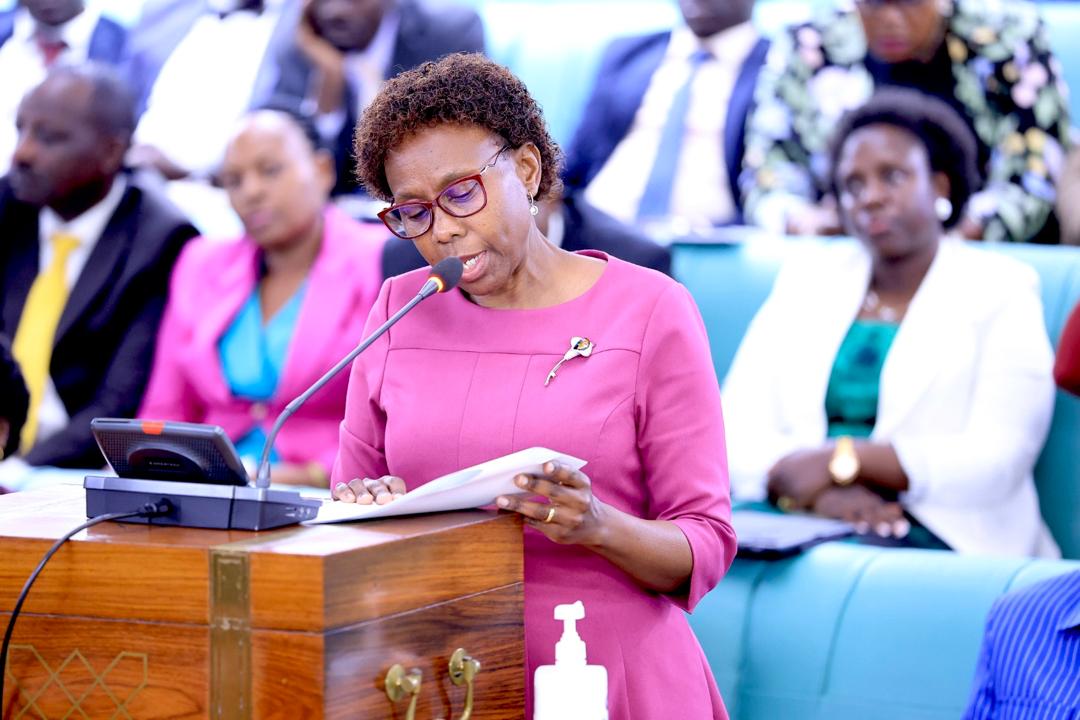
UPFCC Chairperson, Hon. Christine Nakimwero said the MoU comes at a critical transition period and will support orientation of incoming legislators on climate issues.
“As we finalise with the 11th Parliament and welcome the 12th Parliament, we need to prepare on how we want to engage the new MPs on climate change. The forum is positioned to provide new MPs with a platform to effectively articulate climate change discussions at local, national and international levels,” she said.
Kiboga East Member of Parliament, Hon. Keefa Kiwanuka welcomed the partnership, noting its potential to strengthen Parliament’s legislative, budgetary and oversight functions.
He called for practical interventions at constituency level, including pilot projects in waste management and support in emerging areas such as carbon footprint management.
“We need to move from theory to action and translate discussions into tangible results on the ground,” he said.
Worker’s Representative, Hon. Abdul Byakatonda expressed concern over Uganda’s declining forest cover, estimated at below 10 per cent warning that it undermines sustainable agriculture and food security.
“We cannot talk of attaining middle income status without addressing deforestation and encroachment on water bodies,” Byakatonda said while urging stakeholders to set measurable targets such as increase in forest cover from 10 to 25 per cent by 2032.
The Chief Executive Officer of PSFU, Stephen Asiimwe said the private sector will play a central role in advancing climate solutions.
“We intend to establish a Carbon Credit Secretariat to facilitate these discussions. Our vision is to position Uganda as a low-carbon economy with climate-smart businesses reaching communities at the grassroots,” Asiimwe said.
Clinton Mawanda, Programmes Director Climate Hub International wants the forum to focus on new innovations in climate change, noting that climate action presents employment opportunities.
“We are killing our planet because of ignorance. Climate change is the next biggest employer with opportunities in carbon markets and emissions management,” Mawanda said.
Julius Ankunda who heads the Civil Society Budget Advocacy Group (CSBAG), said the partnership will strengthen accountability and enable Uganda to tap into global climate financing.
“We shall continue budget tracking and evidence-based advocacy to ensure government is accountable and that Uganda positions itself for climate funds,” Ankunda said.