Legislators have made a clarion call to government to put measures in place that will ease restrictions imposed on them by banking institutions that label them as politically exposed persons.
The MPs said that former legislators fail to access credit from financial institutions, while some have experienced difficulties in setting up entities such as Non-Governmental Organisations (NGOs).
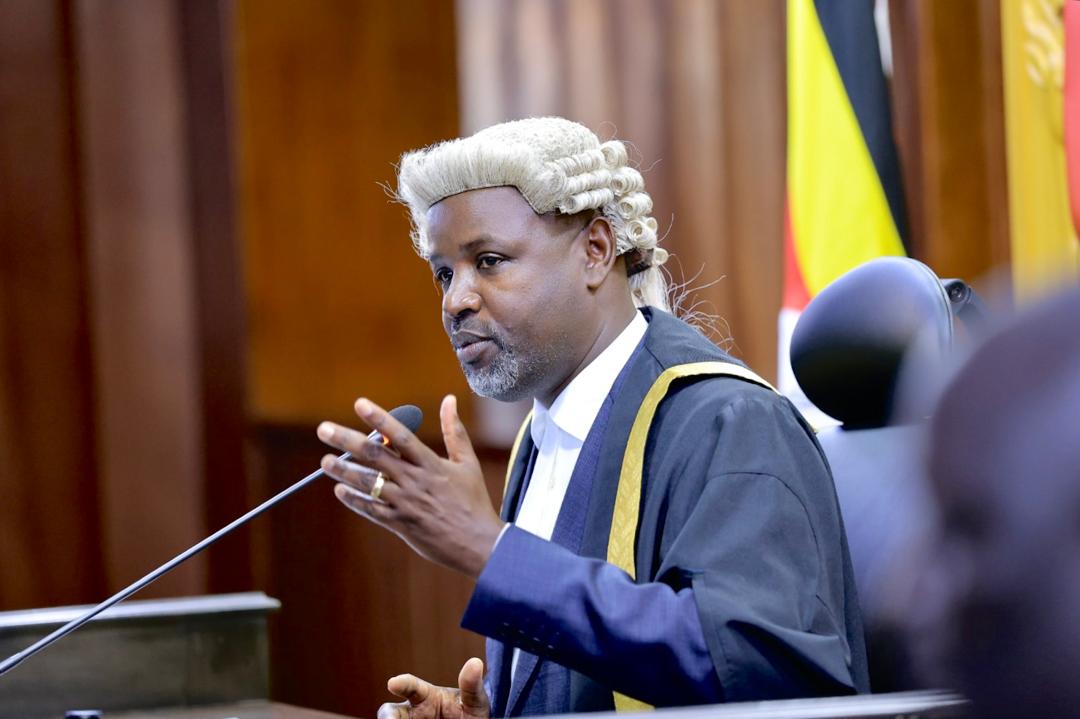
The matter was brought to the attention of Parliament by the Deputy Speaker, Thomas Tayebwa while chairing the plenary sitting on Tuesday, 06 October 2026, wherein he tasked the Attorney General to present a statement to Parliament on the matter.
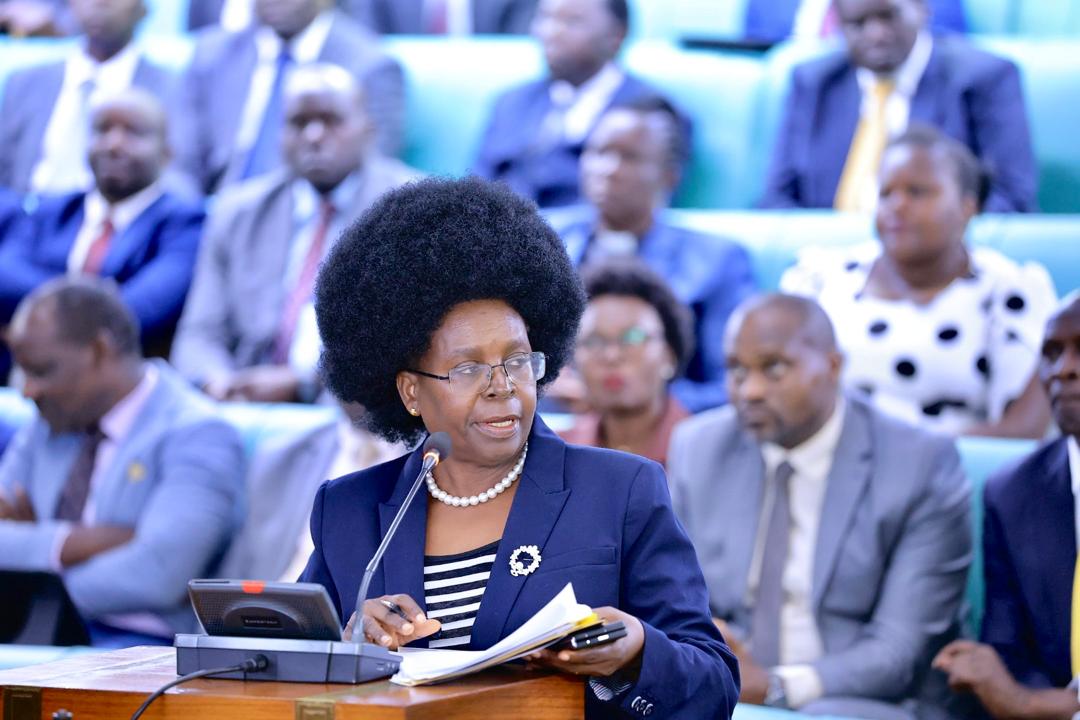
During the next day’s sitting, the Deputy Attorney General, Hon. Jackson Kafuuzi said the definition of a politically exposed is defined by Uganda’s Anti-Money Laundering Act, in alignment with international standards set by the Financial Action Task Force (FATF)
“A politically exposed person is an individual who has been entrusted with a prominent public function in Uganda or another country, and includes a head of state, senior politician, senior government official, judicial or military official, senior executive of a state owned corporation, and important party officials,” said Kafuuzi, while quoting the Anti-Money Laundering Act.
Kafuuzi said there are no legally set timelines that dictate when a former politically exposed person ceases to be required to undergo enhanced due diligence procedures.
“Uganda has adopted the risk-based approach when dealing with politically exposed persons on a case by case basis, based on residual risks such as seniority of their past role, how recently they ceased to hold office and whether they still wield influence and control assets,” Kafuuzi said.
He alluded to the United Kingdom and European Union where financial institutions are required to treat a person as politically exposed for at least 12 months after they cease to hold office, whereas in Canada, it is capped at five years.
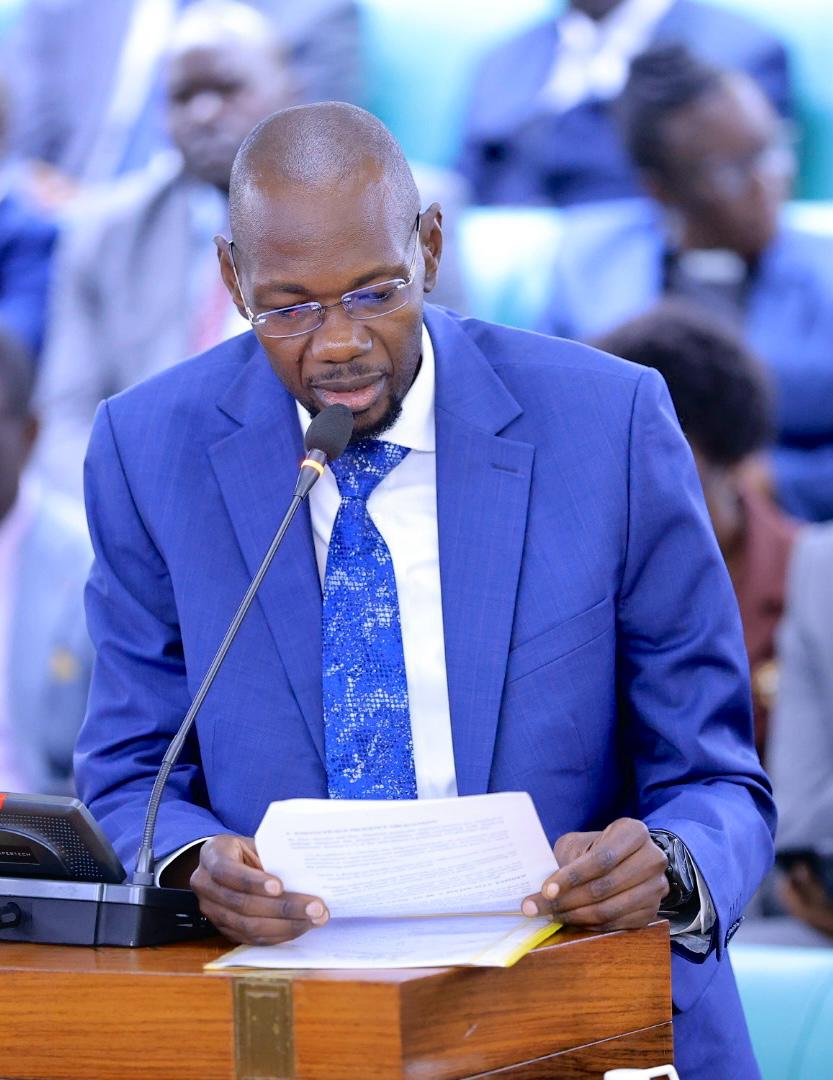
Hon. Paul Mwiru (NUP, Jinja South Division East) described the label of a politically exposed person as discrimination, noting that he has been previously barred by some supermarkets from placing goods as a manufacturer.
“Being a politically exposed person does not mean that I am a thief. I earn money through known sources, I pay taxes and get tax clearance certificates from URA. We have reached a level where we need to amend some of these laws,” Mwiru said.
The Minister for Defence and Veteran Affairs, Hon. Kiryowa Kiwanuka, explained that even with legislation, the decision to determine the extent of a politically exposed person depends on the institution one deals with.
“For example, in the supermarket, this owner could have obtained a loan from a bank which limited them from dealing with politically exposed persons. However, this is not correct, but what we need to do is to enhance our risk-based approach,” Kiryowa Kiwanuka said.
Hon. Sylivia Ayebale (NRM, Gomba District Woman Rep.) urged the Attorney General to put measures in place to de-risk MPs from being labelled as politically exposed persons, so as to enable them have easy access to banking institutions.
Kole North County MP, Hon. Samuel Acuti, highlighted challenges faced by MPs who own companies, where banking institutions require an IGG report to own a bank account, something he said often takes long and leads to account restrictions.
“It is important that the Attorney General clarifies to what extent entities can enforce these provisions,” Acuti said.
Hon. Marshall Alenyo (Ind., Jonam County) proposed a move to improve the image of legislators, noting that they are often labelled as politically exposed persons ‘due to their proximity to corruption bribery or enrichment’.
“In other countries, people are allowed to hold service passports strictly for official journeys, and have private passports for journeys made as an individual businessman. When you leave Parliament, you have a travel record in your ordinary passport. This is something the Attorney General should look into,” Alenyo said.
Deputy Speaker Tayebwa emphasised the need to establish a standard for all banking institutions to use as a yardstick in determining the extent of politically exposed persons, and also reiterated the need to clean Uganda’s image.
“This Parliament has shown all the goodwill of compliance by passing laws that align with guidelines of the Financial Action Task Force. We can propose five years after which you are no longer a politically exposed person, and then require individuals to get a certificate of compliance from FIA and IGG,” Tayebwa said.